
Start with a different tube format.
Clinical tubes, hematocrit capillaries and small microtube or PCR-strip formats call for different configurations. Use the exact listing’s rotor details to narrow your options.
Compare all six instrumentsClinical, Hematocrit & Mini Centrifuges
- Clinical benchtop centrifuge Standard rotor: Supplier lists 12 × 5/7/10 mL or 6 × 15 mL configurations; confirm adaptersMaximum speed: Supplier-stated maximum 4,500 RPM Four E's
- 24-place hematocrit centrifuge Standard rotor: 24-position capillary-tube rotor includedMaximum speed: Manufacturer-stated maximum 12,000 RPM with the hematocrit rotor Four E's
- 6-place mini centrifuge Standard rotor: Supplier-stated 6 × 1.5/2.0 mL microtube rotorMaximum speed: Supplier-stated 5,400 RPM (fixed) Four E's
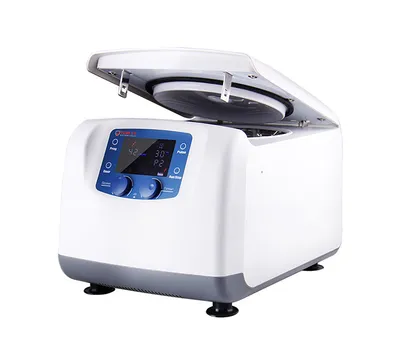
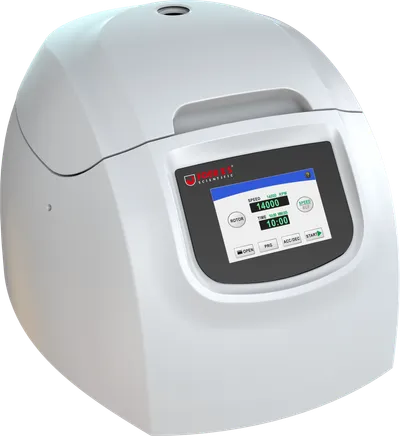
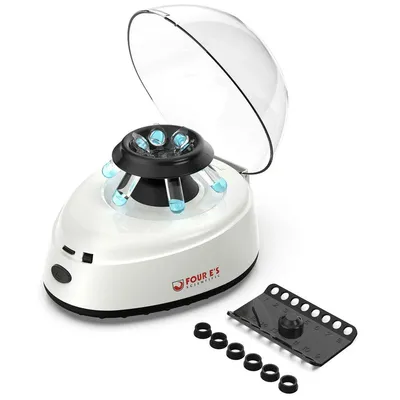
Check the configuration.
These three listings serve different physical formats. Their position counts are not interchangeable: a capillary position and a microtube position describe different containers and rotors.
The mini listing identifies a microtube rotor and an additional PCR-strip rotor. The clinical listing describes small-tube and 15 mL configurations, with the adapter package to be confirmed. The hematocrit listing identifies a capillary-tube rotor and reader.
A category name alone does not establish suitability for a particular sample or intended use. Give Surge Scientific your exact tube dimensions, required configuration and documentation needs when requesting a quote.
Use the buyer’s checklistBring your shortlist.
Ask for the details.
Send Surge Scientific your tube format, required capacity and temperature requirements. Ask for current pricing, documentation and exactly what is included.