Begin with the container
Write down the exact tube or capillary format before comparing instruments. Include its volume, dimensions and any specific manufacturer requirements. A broad label such as microtube is a useful starting point, but the quotation should identify the actual tube and rotor combination.
The catalogue includes microtube, clinical tube, hematocrit capillary and PCR-strip configurations. A rotor’s number of positions tells you how many places that rotor provides for its documented format. It does not make different formats interchangeable.
Choose the capacity you need
Compare the number of positions required in a run with the standard supplied rotor. If an alternative rotor is needed, request it explicitly. Confirm whether smaller tubes require adapters and whether those adapters are supplied.
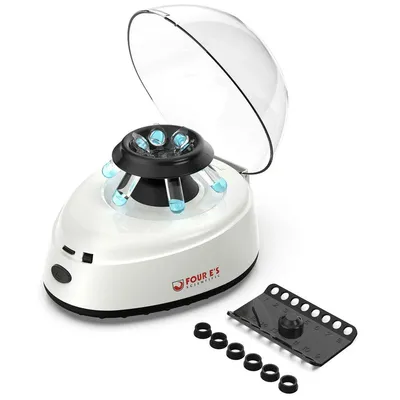
Avoid assuming that every rotor shown in a supplier image comes in the box. The model pages distinguish the reviewed standard rotor from separately listed alternatives. Ask the seller to put the complete configuration in writing.
Read maximum ratings in context
Speed and relative centrifugal force are separate specifications in the comparison. Use the values and conditions required by your method and the manufacturer’s documentation. A headline maximum is not a promise that every compatible tube and rotor shares that rating.
Where a specification requires confirmation, the comparison says so. Ask for the current model-specific manual and the limits that apply to the exact rotor and tube package before ordering.
State the temperature requirement
If your method calls for temperature control, include the required setpoint and conditions in the inquiry. Compare that requirement against the documented refrigerated configuration rather than inferring capability from the instrument’s appearance or name.
The CF321 page includes its manufacturer-stated refrigerated range. Its rotor configuration and maximum ratings remain separate details to confirm against the requirements of your intended use.
Send a configuration-specific inquiry
Shortlist the relevant instruments, then include your tube formats, required positions, temperature requirements, destination and purchase timeline. Ask Surge Scientific to identify the exact model, rotor, adapters, electrical configuration, included accessories and applicable commercial terms.
The result should be a quote you can compare line by line with alternatives. This guide helps frame a purchase inquiry; use the manufacturer’s manual and your lab’s approved method for operating instructions.