Start with the method’s requirement
Decide whether temperature control is a requirement before making it the headline feature of your purchase. Give the seller the setpoint and conditions specified by your method, together with the exact tube and rotor format. Avoid treating a refrigerated configuration as an automatic requirement for every application.
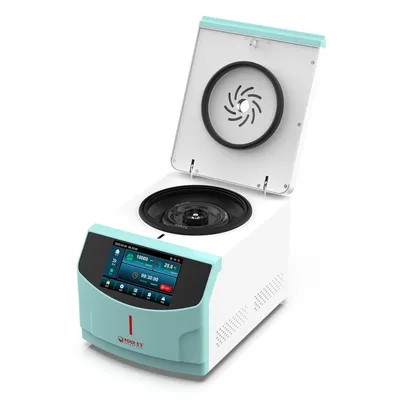
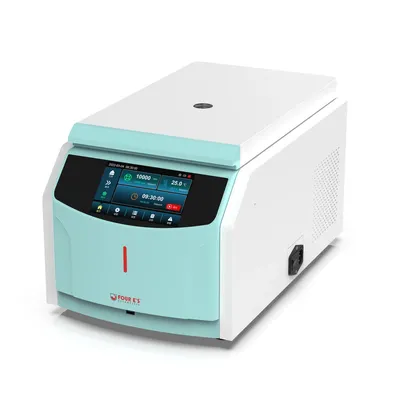
The term microcentrifuge describes the sample format, while refrigerated identifies a temperature-control feature. They can describe the same instrument. The CF321 is the refrigerated microcentrifuge in this catalogue.
Compare the whole configuration
Open the CF321 model page for its documented temperature range, standard rotor and separately listed alternatives. Keep the limits and qualifications attached when assessing the configuration. Ask for documentation covering the settings and rotor you intend to use.
A maximum speed, maximum RCF and temperature range answer different questions. Read them together with their stated conditions. Do not treat a product screen image as a measurement or as evidence of performance under every setting.
Check what the quote supplies
Identify the required rotor and adapters in the request. If you need a separately listed spin-column, larger-tube or PCR-strip rotor, ask the seller to confirm its availability, exact compatibility and inclusion in the quoted package.
Ask for current electrical requirements, installation documentation, physical dimensions and the manufacturer’s operating manual for the supplied model. Confirm any site-specific requirements with the relevant lab personnel rather than assuming a catalogue description covers them.
Make the decision from documented fit
A useful inquiry names the required temperature, tube format and capacity together. That gives Surge Scientific a concrete configuration to quote and gives you a clear basis for comparison.
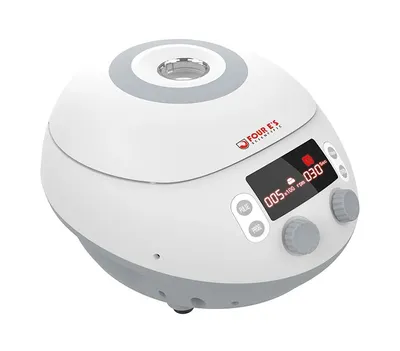
Use the three microcentrifuge pages below to compare their reviewed configurations. Request clarification for any missing requirement before selecting a model. This is a purchase-selection guide, not an operating protocol.